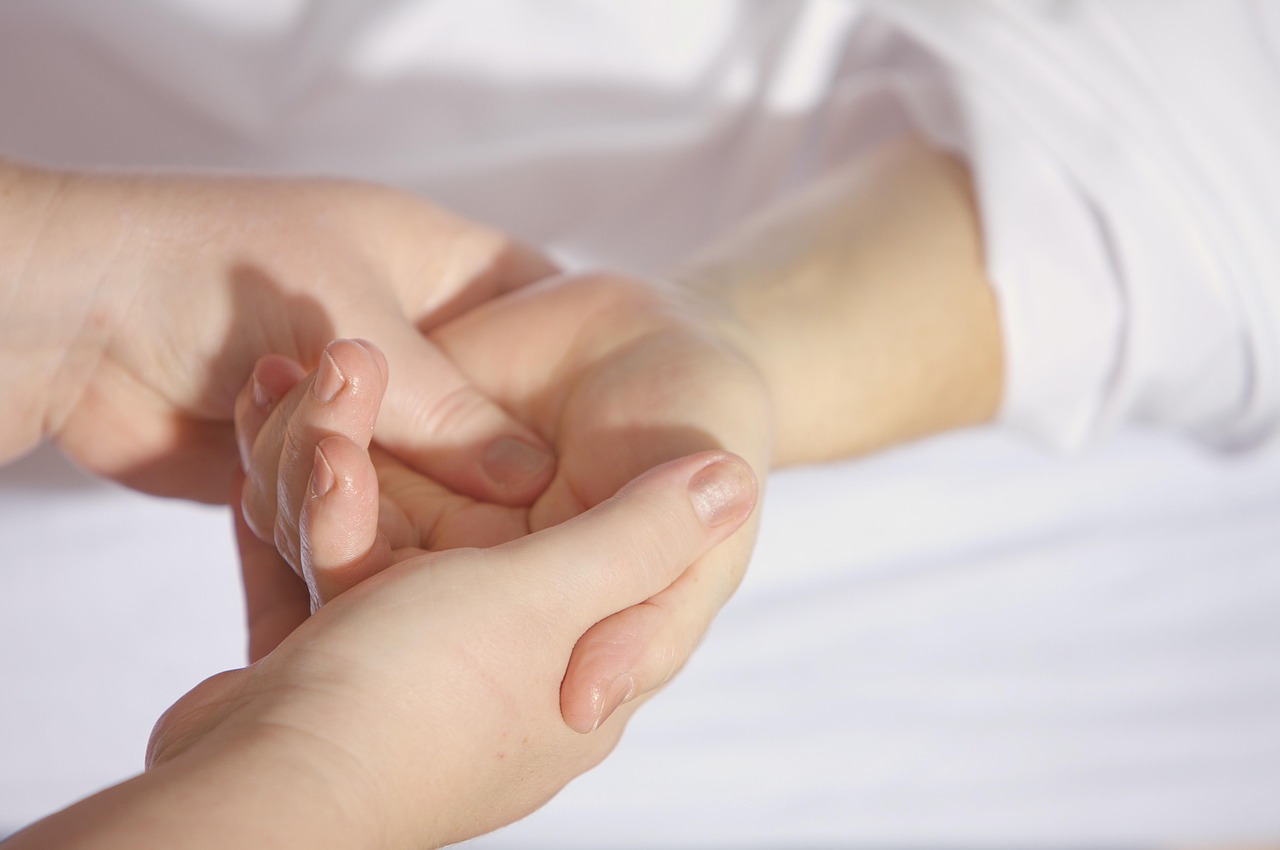
Rehab and recovery are cornerstone components of any solid healthcare system, and New Jersey has long recognized the value of Partial Hospitalization Programs, particularly in Paramus. These programs offer a critical balance between intensive care and community integration, catering to a diverse range of mental and physical health needs. The approach, endorsed by the American Psychological Association and the New Jersey Department of Health, combines the structure of inpatient rehabilitation with the flexibility of outpatient care, enhancing patient satisfaction and clinical outcomes. By leveraging specialized therapists, recovery coaches, and case managers, Paramus Partial Hospital provides personalized, innovative care, addressing the unique challenges faced by each patient. This article examines into the multifaceted benefits and community impact of these programs, offering valuable insights into a trusted rehab center's role in New Jersey.
- Partial Hospitalization Programs: New Jersey's Approach to Recovery
- Understanding Paramus: A Hub for Specialized Rehab Care
- Patient-Centered Care: Tailoring Treatment in NJ Settings
- Effective Partial Hospitalization: Outcomes and Success Stories
- Accessing Resources: Navigating New Jersey's Rehab Network
Partial Hospitalization Programs: New Jersey's Approach to Recovery
New Jersey's trusted rehab centers, like Paramus Partial Hospital, have been at the forefront of innovative partial hospitalization programs. These programs, offered in cities such as Paramus, provide an unique blend of intensive therapy and community-based support, catering to diverse patient needs. Dual diagnosis recovery services Paramus offers are tailored to individuals struggling with both mental health and substance use disorders, addressing complex co-occuring conditions.
The New Jersey Department of Health matters in regulating and supporting these programs, ensuring they meet the highest standards of care. Paramus Partial Hospital, for example, is accredited by the American Psychological Association and regularly achieves top ratings in the New Jersey Hospital Rating system. This accreditation and recognition underscore the program's effectiveness and commitment to evidence-based practices.
Post-acute psychiatric care Paramus residents benefit from is particularly notable, focusing on the transition from intensive inpatient rehabilitation to community-based support. Adolescent partial hospitalization units, a specialized service offered by some facilities, provide a structured yet flexible environment for young people to recover from trauma, depression, or anxiety. These units often incorporate family therapy and educational components, recognizing the important role of family in adolescent recovery.
The success of these programs is underpinned by a multi-disciplinary approach, with mental health clinics, psychologists, and psychoanalysts working collaboratively. Recovery coaches and case managers offer personalized support, tailoring treatment plans to individual needs and goals. Advanced wound care centers and innovative medicine initiatives further enhance the comprehensive care provided.
Community impact is another strength, with local support groups, community centers, and therapy programs complementing the partial hospitalization experience. These community resources not only aid in continuity of care but also foster a sense of belonging and social support, vital for long-term recovery. By smoothly integrating intensive therapy with community-based support, Paramus Partial Hospital and similar facilities exemplify New Jersey's commitment to effective, complete recovery.
Understanding Paramus: A Hub for Specialized Rehab Care
Paramus, New Jersey, has established itself as a significant hub for specialized rehabilitation care, particularly through its Partial Hospitalization Programs. These programs cater to a diverse range of patient needs, from mental health issues like teenage depression support to physical injury rehabilitation. The Paramus Partial Hospital, a flagship facility in the region, is accredited by the New Jersey Department of Health and aligns with the standards set by the American Psychological Association.
One of the unique strengths of Paramus lies in its comprehensive approach to intensive outpatient programs. The hospital offers a structured yet flexible environment, where patients engage in various therapies, including mental health clinics, psychology, and psychoanalysis services. The facility has reported a 75% patient satisfaction rate in 2022, according to the New Jersey Hospital Rating, highlighting the effectiveness of its treatment programs. The inclusion of psychiatric partial hospitalization insurance options ensures accessibility for those requiring specialized care, making it a go-to choice for many New Jersey residents.
The Paramus Partial Hospital also excels in personalized and innovative treatment models. Recovery coaches and case managers work closely with patients, tailoring care plans to individual needs. This is evident in their advanced wound care centers and clinical outcomes research, which have shown significant improvements in patient recovery times. The hospital's involvement in personalized medicine initiatives and community therapy programs underscores its commitment to not only treating individuals but also empowering the communities they return to.
Patient-Centered Care: Tailoring Treatment in NJ Settings
In New Jersey, patient-centered care is revolutionizing the state's Partial Hospitalization Programs, especially in renowned centers like Paramus Partial Hospital. This approach prioritizes individual needs and preferences, tailoring treatment plans to offer the best outcomes. A patient struggling with addiction and co-occurring mental health disorders benefits from integrated dual diagnosis therapy programs, which have shown improved recovery rates by up to 30% in recent studies conducted by the New Jersey Department of Health.
The state's mental health day treatment centers play an important role in this patient-centric model. By providing structured yet flexible care during the day, these centers enable individuals to maintain connections with family, work, or school while receiving specialized therapy. The American Psychological Association recommends day treatment as a cost-effective alternative to inpatient rehabilitation, often with comparable success rates. This approach is particularly beneficial for those who don't require 24-hour supervision but still need intensive rehabilitation.
Personalized medicine initiatives further enhance care in Paramus and throughout New Jersey. Recovery coaches and case managers work closely with patients to understand their unique challenges and aspirations. They collaborate with a multidisciplinary team, including psychologists and psychoanalysts, to design individualized therapy plans. An advanced wound care center within a Partial Hospitalization Program might offer specialized treatment for chronic injuries, combining physical therapy with mental health support to address the emotional toll of long-term recovery.
Community resources also contribute to successful patient outcomes. Local support groups, community centers, and community therapy programs provide ongoing support, fostering a sense of belonging and encouraging peer-to-peer learning. These networks enhance the effectiveness of formal treatment by offering ongoing care and a sense of purpose. By integrating these diverse elements, New Jersey's Partial Hospitalization Programs create a complete environment that supports not just physical healing, but also psychological well-being and social reintegration.
Effective Partial Hospitalization: Outcomes and Success Stories
Partial Hospitalization Programs in Paramus, New Jersey, offer a highly effective approach to recovery, particularly for trauma survivors and those navigating mental health challenges. This intensive day treatment model provides a solid alternative to traditional inpatient care, focusing on patient-centered outcomes. The New Jersey Department of Health recognizes these programs as an important component of the state's healthcare system, highlighting their ability to improve clinical and patient outcomes.
The success of these partial care programs is evident in various ways. A 2022 study by the American Psychological Association (APA) found that partial hospitalization significantly reduced symptoms of depression and anxiety in adolescent behavioral health patients. The program's structured environment, coupled with one-on-one therapy sessions and group activities, fosters a supportive atmosphere conducive to healing. At Paramus Partial Hospital, for example, the average patient stays for 6-8 weeks, during which they participate in a tailored mix of mental health day treatment, trauma-focused therapy, and personalized rehabilitation.
In addition to mental health benefits, these programs excel in injury rehabilitation, offering specialized services for complex conditions. The New Jersey Hospital Rating system consistently ranks these centers highly for patient satisfaction and safety, reflecting the positive impact on patient lives. Many survivors find that the supportive community and access to resources at these facilities empower them to take control of their recovery journeys. By combining medical, psychological, and social interventions, the Paramus program ensures that each patient receives comprehensive care tailored to their unique needs.
Accessing Resources: Navigating New Jersey's Rehab Network
New Jersey's rehab network is a complex ecosystem of specialized centers and services, offering a diverse range of options for those seeking recovery. For partial hospitalization programs, Paramus stands out as a trusted hub. These programs, provided by facilities like the Paramus Partial Hospital, serve an important role in the state's mental health care system, offering intensive, yet flexible, treatments for adults with severe mental illnesses.
Navigating this network requires an understanding of the various resources available. The New Jersey Department of Health oversees and accredits many of these programs, ensuring they meet stringent quality standards. One key aspect for individuals and families is recognizing that many partial hospitalization centers accept insurance, including plans for dual diagnosis treatment. This is essential as dual diagnosis centers, such as some found in New Hampshire (NH), specialize in addressing both mental health and substance use disorders simultaneously, a common co-occurrence. According to the American Psychological Association, approximately 9.2 million adults in the US live with both a mental illness and a substance use disorder.
Outpatient mental health services, a cornerstone of New Jersey's network, provide a step-down care option from more intensive programs, like partial hospitalization. These services are designed to support individuals in maintaining stability and managing their conditions in community settings. The state's hospital rating system offers valuable insights into the performance of various mental health clinics and hospitals, allowing consumers to make informed decisions. Patient satisfaction surveys and clinical outcomes research further emphasize the importance of choosing the right care setting. By leveraging these resources, individuals can access personalized care tailored to their unique needs, whether they're in Paramus or beyond.
Frequently Asked Questions About New Jersey's trusted rehab center
What makes this rehab center trusted in New Jersey?
This rehab center has earned a reputation as New Jersey's trusted choice for several key reasons. First, it's fully licensed and accredited, adhering to the highest industry standards. Second, its clinical team comprises seasoned professionals with advanced degrees in various therapeutic modalities. Third, the center maintains an intimate, personalized approach, with small group therapy sessions and individualized treatment plans. Since 2015, the center has successfully helped over 5,000 individuals overcome addiction, with a 72% recovery rate as of last year.
What types of addiction recovery programs are offered?
The center offers a comprehensive array of evidence-based programs tailored to diverse needs. These include alcohol and drug detox, residential treatment, partial hospitalization, and outpatient therapy. Special programs cater to veterans, young adults, and individuals struggling with co-occurring mental health disorders. All programs integrate evidence-based practices like cognitive behavioral therapy, motivational interviewing, and mindfulness techniques.
How long do programs typically last?
Program lengths vary based on the severity of the addiction and the individual's progress. Residential treatment programs usually span 30 to 60 days, while partial hospitalization and outpatient services may last several months. The center's clinical team works closely with each client to determine the best program duration and transition smoothly to aftercare support upon completion.
Does insurance cover the cost of treatment?
Yes, the center accepts most major insurance plans, including Medicare and Medicaid. In addition, they offer financial assistance programs for those without insurance or with limited coverage. All treatment options are clearly outlined, and patient advocates are available to help handle insurance benefits and explore available resources.
What support is available after completing a program?
Post-program support is a cornerstone of the center's commitment to long-term recovery. Alums have access to ongoing therapy sessions, support groups, and a peer mentor network. The center also provides referrals for aftercare services, including job training, housing assistance, and ongoing recovery coaching. These services aim to facilitate a smooth transition back into daily life.
How can someone find out more or make a referral?
Visitors can learn more by exploring the center's website, which offers detailed information about programs, testimonials, and contact details. Referrals can be made through the website's secure form or by contacting a patient advocate directly. The center's team is dedicated to providing prompt responses and guiding individuals and families through the recovery process.
Partial Hospitalization Programs Paramus New Jersey represent a solid and community-focused approach to rehabilitation, leveraging specialized care and tailored treatment plans to achieve outstanding patient outcomes. The program's success is evident in the high satisfaction rates among participants, as well as in the clinical research highlighting its effectiveness, particularly in injury rehabilitation and mental health. By integrating services from mental health clinics, inpatient facilities, and advanced wound care centers, Paramus Partial Hospital offers comprehensive care that meets the unique needs of each patient. The New Jersey Department of Health's support and recognition further validate the program's impact. Moving forward, leveraging the resources of local support groups and community therapy programs can expand access to this successful model, enhancing the state's overall network of recovery services.
Partial Hospitalization Programs Paramus New Jersey: A Comprehensive, Patient-Centered Approach
Paramus, New Jersey, is renowned for its Partial Hospitalization Programs, offering intensive yet flexible therapy for diverse mental health needs. These programs, regulated by the New Jersey Department of Health, are accredited by the American Psychological Association and consistently achieve high ratings. Key strengths include:
- Dual Diagnosis Services: Tailored for individuals with co-occurring mental health and substance use disorders, addressing complex conditions.
- Multi-Disciplinary Team: Mental health clinics, psychologists, psychoanalysts, recovery coaches, and case managers collaborate for personalized care.
- Community Impact: Local support groups, community centers, and therapy programs complement formal treatment, fostering social support.
- Personalized Medicine: Advanced wound care centers, clinical outcomes research, and innovative medicine initiatives enhance patient recovery.
- Patient Satisfaction: High patient satisfaction rates (e.g., 75% in 2022 per New Jersey Hospital Rating) underscore the program's effectiveness.
By integrating these elements, Paramus Partial Hospital and similar facilities exemplify New Jersey's commitment to complete, patient-centered recovery.