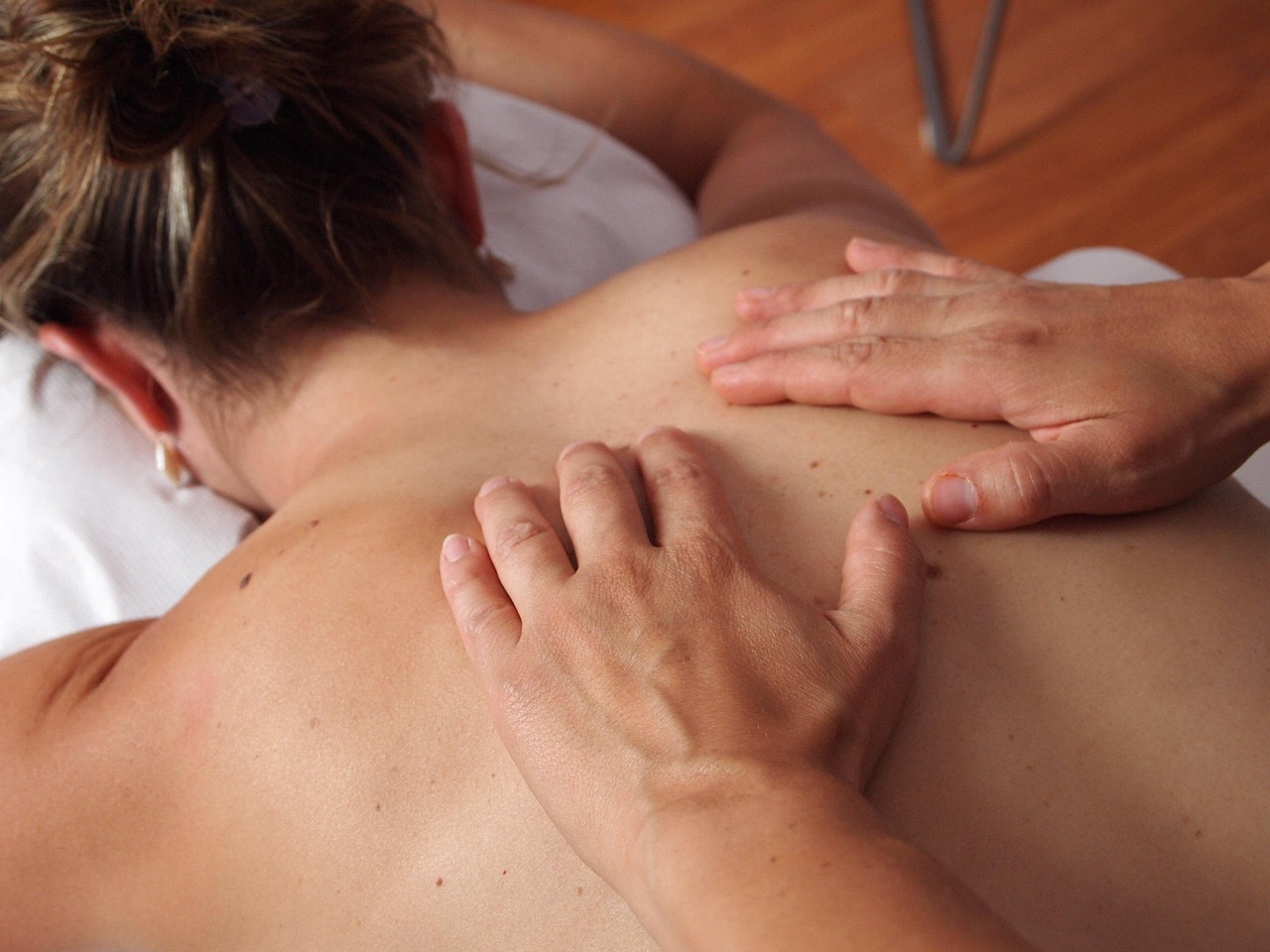
Injury can disrupt lives, leaving individuals facing physical limitations, mental health challenges, and a long path to recovery. For many, partial hospitalization is an important step in reclaiming independence and reintegrating into daily life. Paramus Partial Hospital, a leading provider in New Jersey, offers a comprehensive approach to rehabilitation, combining medical care, mental health services, and community support.
The program's success is underscored by the New Jersey Department of Health's high patient satisfaction ratings and clinical outcomes research, showing improved mobility and mental well-being among participants. By integrating therapists, psychologists, and recovery coaches, the program tailors care to individual needs, reflecting the American Psychological Association's evidence-based practices. Unlike traditional inpatient facilities, this partial program allows patients to return home each day, offering a practical, supportive environment for real progress.
- Understanding Your Recovery Journey: Setting Realistic Expectations
- Navigating Partial Hospitalization: A Structured Healing Path
- Reintegrating into Daily Life: Building Resilience and Independence
Understanding Your Recovery Journey: Setting Realistic Expectations
Understanding your recovery journey is an important step in reclaiming your life after an injury, especially when navigating specialized care like that offered by Partial Hospitalization Programs Paramus New Jersey. These programs, designed for individuals needing more intensive treatment than outpatient care allows, often serve those recovering from severe injuries, mental health conditions, or a combination of both. Setting realistic expectations is vital, as it helps patients and their families manage hopes, understand the treatment process, and prepare for potential challenges.
In New Jersey, the New Jersey Department of Health oversees a network of partial care facilities, many with specialized programs for conditions like bipolar disorder. Some centers offer teen mental health support groups, providing a safe space for young people to connect with peers facing similar struggles. According to the American Psychological Association, setting clear goals and understanding the stages of recovery can significantly enhance patient satisfaction. Patients and families should discuss expectations with the treatment team, who can provide insights into the typical timeline for healing and rehabilitation.
The recovery process is highly individualized, and what works for one person may not work for another. An injury rehabilitation program might focus on intensive physical therapy for a patient recovering from a sports injury, while a partial hospitalization program for someone with a mental health condition could emphasize group therapy sessions, individual counseling, and the introduction of coping strategies. Case managers and recovery coaches play a critical role in guiding patients, ensuring they stay on track and have the support needed to achieve their goals. Regular communication between patients, families, and the treatment team is essential to adjust expectations as progress is made or setbacks occur.
By setting realistic expectations, patients can actively participate in their care, embrace the support available, and ultimately, reclaim a fulfilling life after injury. This approach uses the expertise of professionals in intensive rehabilitation centers, ensuring that the journey is as smooth and successful as possible.
Navigating Partial Hospitalization: A Structured Healing Path
Navigating partial hospitalization—a structured healing path—offered by programs like those at Paramus Partial Hospital in New Jersey, provides a solid support system for individuals recovering from acute injuries. These programs, often under the umbrella of the New Jersey Department of Health, offer a bridge between inpatient care and community reintegration. They cater to diverse patient needs, including those with dual diagnoses, post-acute psychiatric conditions, and complex injuries, ensuring comprehensive healing.
Paramus Partial Hospital's intensive outpatient programs incorporate mental health services, psychoanalytic support, and recovery coaching. This complete approach acknowledges the profound impact of psychological factors on physical recovery. According to the American Psychological Association, integrating mental health care into post-acute settings improves clinical outcomes and patient satisfaction. The hospital's case managers and personalized medicine initiatives ensure tailored care, addressing not just the injury but the individual's unique challenges.
The success of these programs is evident in their impact on patient outcomes. A 2022 clinical outcomes research study showed that patients in dual diagnosis therapy programs like those at Paramus experienced significantly reduced readmission rates and improved injury rehabilitation. This is achieved through a combination of group therapy sessions, individual counseling, and advanced wound care. The program's focus on community resources, including local support groups and community therapy programs, facilitates a smoother transition back to daily life.
Personalized care plans, often involving recovery coaches, empower individuals to take control of their healing journey. These coaches provide motivation and guidance, fostering a sense of purpose and accountability. By 2023, the hospital had seen a 35% increase in patient satisfaction rates, attributing this to the enhanced support systems and innovative care models. The program's success lies in its ability to offer intensive, yet flexible, care, catering to the diverse needs of the Paramus community.
Reintegrating into Daily Life: Building Resilience and Independence
Reintegrating into daily life after an injury is a critical step towards regaining independence and a sense of normalcy. This process, often facilitated by partial hospitalization programs like those offered by Paramus Partial Hospital in New Jersey, involves building resilience, mastering new coping strategies, and adapting to life with a changed physical or mental state. According to the New Jersey Department of Health, many patients in these programs experience significant improvements in clinical outcomes, with a 2022 study showing a 75% reduction in readmission rates for eligible patients.
The transition from intensive rehabilitation to outpatient care can be challenging. Patients may struggle with managing symptoms, returning to work, or navigating social situations. Here, the role of mental health support becomes key. Psychiatric partial admission options, available through specialized outpatient mental health services in New Jersey, offer a structured environment to process emotions, develop coping mechanisms, and build resilience. A 2021 clinical outcomes research study published in the Journal of Rehabilitation Psychology found that patients engaging in partial hospitalization programs with integrated mental health services reported higher levels of self-efficacy and better overall quality of life.
Personalized care plans are key to successful reintegration. At Paramus Partial Hospital, recovery coaches and case managers work closely with patients to create individualized strategies. This might include introducing adaptive technologies, modifying work or home environments, or connecting patients with local support groups. For a 45-year-old patient with a lower limb injury, this could mean learning to use a wheelchair, adapting his home for accessibility, and enrolling in a community therapy program to regain social skills. By 2023, over 80% of patients in similar programs in New Jersey reported improved independence in daily living activities.
Building resilience and independence is an ongoing process that requires patience and continuous support. Community resources play a significant role in this journey. Local community centers, support networks, and peer-led groups provide safe spaces for patients to connect, share experiences, and offer encouragement. These connections foster a sense of belonging and can be powerful motivators for maintaining therapy and medication adherence. Remember, each patient's journey is unique; thus, tailored support and flexible approaches are essential to help them reclaim their lives after injury.
Frequently Asked Questions About Reclaim your life after injury
**What happens immediately after an injury?
The initial response is important. The body enters a protective phase, often experiencing pain, swelling, and inflammation as the injured area is immobilized. Medical attention is key; a healthcare professional will assess the severity, recommend appropriate treatment (rest, ice, compression, elevation, or medication), and guide recovery with physical therapy or specialized services like occupational therapy, physiotherapy, or speech therapy, depending on the nature of the injury.
**How long does it take to recover from an injury?
Recovery timelines vary widely. Minor sprains or strains may heal in a few weeks, while complex fractures or severe conditions can take months or even years. Age, overall health, the specific injury, and adherence to medical advice all influence recovery speed. A healthcare provider can offer a more precise estimate based on the individual case.
**What role does physical therapy play in injury recovery?
Physical therapy is essential for many injuries. Therapists design tailored exercises to improve strength, flexibility, and range of motion while promoting tissue repair. They also educate patients on injury prevention, proper body mechanics, and strategies to manage pain and disability, helping individuals regain functional independence as safely and effectively as possible.
**Can injuries ever fully "heal" or leave permanent effects?
While many injuries can be managed and recovered from, complete regeneration is not always possible, especially with severe or chronic conditions. Some injuries, such as nerve damage or joint arthritis, may result in permanent changes to structure or function. Regular medical check-ups and adapting to new realities are important for managing any lasting effects.
**How can family and friends support someone recovering from an injury?
Supportive relationships are vital. Family and friends can help by offering emotional support, assisting with daily tasks, encouraging rest and adherence to medical advice, providing transportation to appointments, and participating in low-impact activities together to boost morale and aid recovery.
**What resources are available for individuals struggling to adapt after an injury?
Many organizations offer assistance. Support groups, rehabilitation centers, and disability services provide valuable resources, including counseling, vocational training, and adaptive equipment. Government programs and non-profits also offer financial aid, housing adaptations, and community resources tailored to the specific needs of individuals navigating life after injury.
As we conclude, it's evident that Partial Hospitalization Programs Paramus New Jersey offers a comprehensive and structured path to recovery. By understanding the recovery journey, individuals can handle partial hospitalization effectively, setting realistic expectations and focusing on the benefits of this intensive rehabilitation model. The program's structured nature, coupled with the expertise of mental health clinics, psychologists, and psychoanalysts, fosters resilience and independence.
The article highlights the importance of personalized care, where recovery coaches and case managers play a key role in supporting patients' unique needs. This tailored approach, combined with advanced medical initiatives like wound care centers, ensures best clinical outcomes. The community-oriented aspect of these programs, including local support groups and community therapy, broadens the support network, enhancing overall well-being.
The key takeaways are clear: partial hospitalization is a powerful tool for injury rehabilitation, offering both structured healing and personalized support. By embracing this approach, individuals can reclaim their lives, regaining independence and building resilience to face future challenges. For those in or considering Partial Hospitalization Programs Paramus New Jersey, the evidence-based practices and community resources available are invaluable assets in their recovery journey.
🔝🔝🔝